Home || Our service || Male Factor Infertility Evalution & Treatment
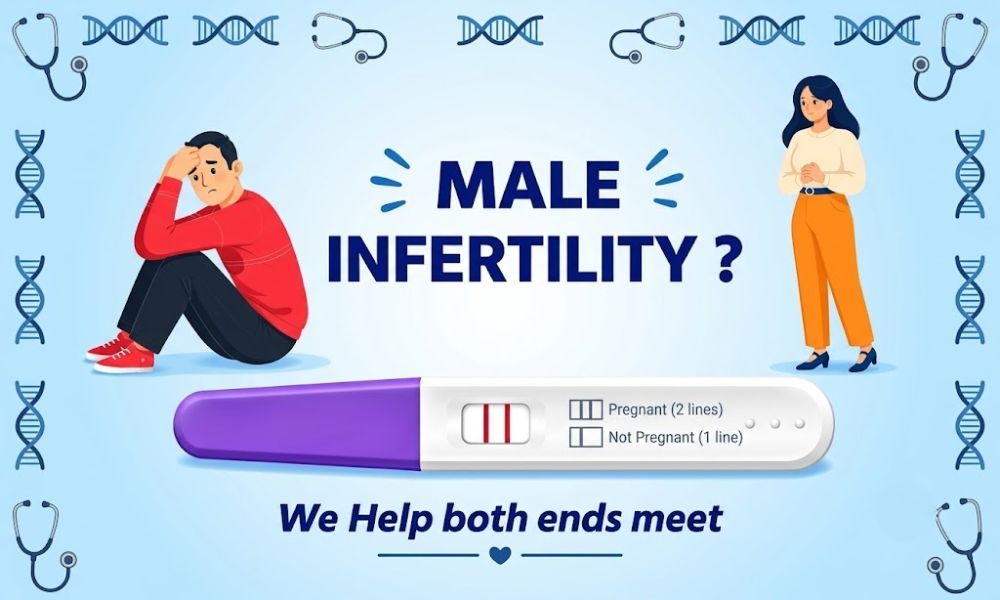
Male Factor Infertility Evaluation & Treatment
Infertility can affect either partner, and male factors may contribute to difficulty conceiving in a significant number of couples. Male factor infertility can be related to sperm production, sperm movement, sperm quality, hormonal factors, reproductive conditions, lifestyle factors, or problems affecting the delivery of sperm.
At Vatsalyam Clinic, Dr. Archana Bharti provides individualized fertility evaluation and treatment guidance for couples experiencing difficulty conceiving. A proper assessment can help identify possible causes and determine the most appropriate treatment approach.
What Is Male Factor Infertility?
Male factor infertility refers to difficulties with male reproductive function that may reduce the chances of achieving pregnancy. Common factors include a low sperm count, reduced sperm movement, changes in sperm shape, hormonal problems, infections, varicocele, certain medical conditions, previous surgeries, and some lifestyle or environmental factors.
In some cases, routine testing may not identify a clear cause. This is why a detailed evaluation is an important part of fertility care.
How is Male Infertility Evaluated?
The evaluation usually begins with a detailed medical and reproductive history. Your doctor may ask about previous pregnancies, the duration of infertility, medical conditions, medications, previous surgeries, lifestyle habits, and any symptoms related to the reproductive system.
Semen Analysis
A semen analysis is one of the primary tests used during male fertility evaluation. It examines important characteristics of semen and sperm, including sperm concentration, movement and morphology. Depending on the initial results, your doctor may recommend repeating the test because sperm parameters can vary between samples.
Hormonal Evaluation
Blood tests may be recommended when there is a concern about hormonal or testicular function. Depending on the individual situation, tests may include hormones such as testosterone, follicle-stimulating hormone (FSH), luteinizing hormone (LH), and other relevant investigations.
Additional Tests
Further evaluation may be recommended when initial findings suggest a specific problem. Depending on the clinical situation, this can include a physical examination, scrotal ultrasound, genetic testing, or other specialized investigations.
The exact tests required are not the same for every patient. Your fertility specialist will recommend investigations based on your medical history and initial findings.
Treatment for Male Factor Infertility
Treatment depends on the underlying cause, severity of the fertility problem, and the reproductive goals of the couple.
Lifestyle and Medical Management
In some cases, improving lifestyle habits and addressing certain medical conditions may be part of the treatment plan. Maintaining a healthy weight, avoiding tobacco, limiting excessive alcohol consumption, exercising appropriately, and managing existing health conditions can support overall reproductive health.
When a specific medical or hormonal problem is identified, appropriate medical treatment may be considered.
Surgical Treatment
Certain conditions, such as a clinically significant varicocele, may sometimes require surgical evaluation and treatment. Whether surgery is appropriate depends on the individual’s symptoms, examination findings, fertility status, and other factors.
Assisted Reproductive Techniques
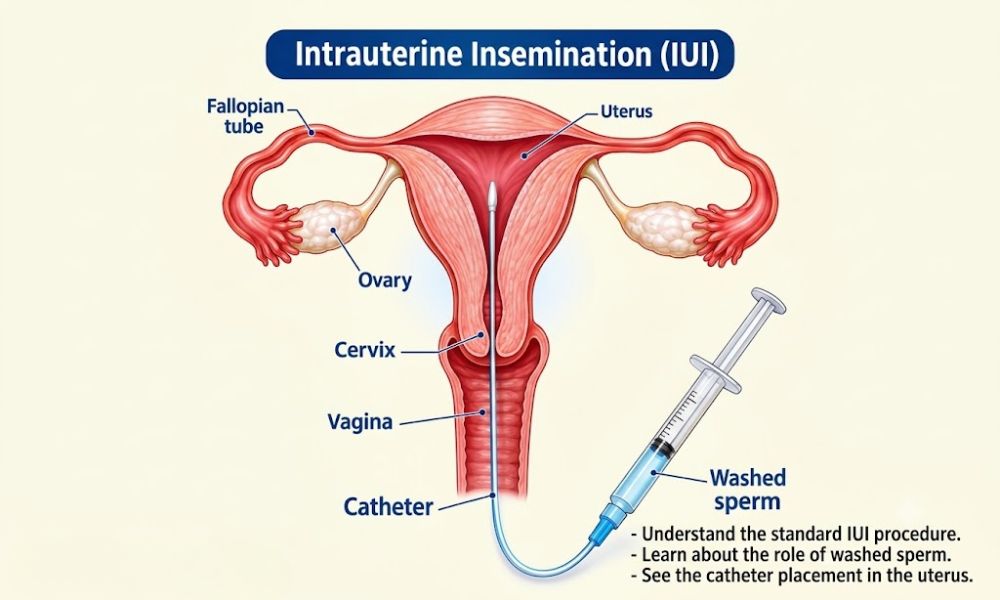
When sperm-related problems are more significant or other treatments have not resulted in pregnancy, assisted reproductive techniques may be considered. Depending on the circumstances, options may include Intrauterine Insemination (IUI) or In Vitro Fertilization (IVF).
For certain cases of severe male factor infertility, Intracytoplasmic Sperm Injection (ICSI) may be used during IVF. ICSI involves injecting a single sperm directly into an egg to assist fertilization.
Personalized Male Fertility Care at Vatsalyam Clinic
Male infertility can have multiple possible causes, and a single treatment does not work for every patient. At Vatsalyam Clinic, Dr. Archana Bharti focuses on understanding the individual fertility situation before recommending appropriate investigations and treatment options.
If you and your partner have been trying to conceive without success, evaluating both partners can be an important part of the fertility assessment. Early evaluation can help identify potential factors and allow treatment options to be discussed based on your individual circumstances.
FAQ'S
An evaluation may be appropriate when a couple has been unable to conceive despite regular unprotected intercourse, or earlier when there is a known reproductive or medical concern.
Semen analysis provides important information about sperm, but it may not identify every possible cause of infertility. Additional evaluation may be recommended based on the results and medical history.
Many causes of male factor infertility can be managed or treated, while treatment options depend on the underlying cause and individual circumstances.
IVF, sometimes combined with ICSI, may be considered when sperm-related factors significantly affect fertilization or when other treatment options are not suitable or successful.
Not necessarily. The chances of achieving pregnancy depend on the specific cause, severity of the condition, the fertility of both partners, and the treatment approach.