Home || Our service || Recurrent IVF Failure
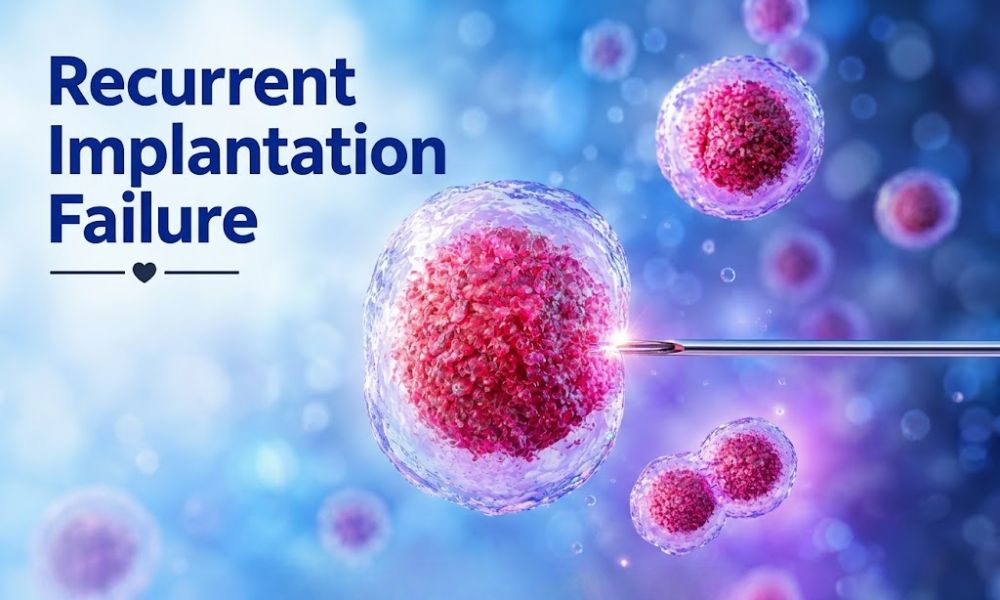
Recurrent IVF Failure: Causes, Evaluation & Treatment
Repeated IVF failure can be a challenging experience for couples trying to build their family. Recurrent IVF failure may occur when pregnancy does not occur after multiple IVF or embryo transfer attempts. The reasons can vary from embryo-related factors and age-related changes to uterine conditions, hormonal factors and other reproductive health concerns. A detailed review of previous IVF cycles can help identify factors that may be affecting implantation and guide the next step in treatment.
At Vatsalyam Clinic, recurrent IVF failure is evaluated with an individualized approach. Your previous IVF treatment, embryo development, embryo transfer history, uterine condition and other relevant medical factors may be reviewed to understand why previous attempts were unsuccessful. Based on the findings, your fertility specialist can discuss appropriate investigations and treatment options for a future IVF cycle.
Lorem ipsLorem ipsum dolor sit amet, consectetur adipiscing elit. Ut elit tellus, luctus nec ullamcorper mattis, pulvinar dapibus leo.um dolor sit amet, consectetur adipiscing elit. Ut elit tellus, luctus nec ullamcorper mattis, pulvinar dapibus leo.
Evaluation & Treatment for Recurrent IVF Failure
When IVF treatment has not resulted in pregnancy after repeated attempts, a detailed evaluation can help identify factors that may need attention before another embryo transfer. Depending on your medical history, the evaluation may include reviewing previous IVF cycles, assessing the uterus and endometrium, and considering relevant hormonal or genetic factors. Tests such as ultrasound, sonohysterography or hysteroscopy may be recommended when clinically appropriate.
Treatment for recurrent IVF failure depends on the individual cause and previous treatment history. If a uterine abnormality, hormonal concern or another potentially treatable factor is identified, appropriate treatment may be considered before proceeding with another IVF cycle. Your fertility specialist can also review previous stimulation protocols, embryo development and transfer details to help develop a personalized treatment plan.
Factors That May Contribute to Recurrent IVF Failure
- Embryo quality or chromosomal abnormalities
- Age-related changes affecting fertility outcomes
- Uterine abnormalities affecting embryo implantation
- Endometrial or hormonal factors affecting implantation
- Previous IVF treatment or transfer-related factors
- Endometriosis or other reproductive conditions
- Genetic factors affecting fertility or pregnancy
- Unexplained factors despite detailed evaluation
What Does a Recurrent IVF Failure Evaluation Include?
At Vatsalyam Clinic, evaluation may involve several components depending on the patient’s previous IVF history, medical background and clinical findings.
| Evaluation Area | What May Be Assessed |
|---|---|
| IVF Treatment History | Previous stimulation protocols, treatment response and cycle outcomes |
| Embryo Development | Number, stage and quality of embryos developed |
| Embryo Transfer | Previous transfer details and transfer-related information |
| Uterine Assessment | Structure of the uterine cavity and possible abnormalities |
| Endometrial Assessment | Endometrial development and preparation for embryo transfer |
| Ovarian Factors | Ovarian response and relevant reproductive factors |
| Genetic Factors | Genetic considerations when clinically appropriate |
| Medical History | Previous illnesses, surgeries, medications and reproductive history |
| Pregnancy History | Previous pregnancies, implantation or pregnancy outcomes |
| Male Fertility | Previous semen analysis and relevant male fertility findings |
Not every patient requires every test or investigation. Dr. Archana Bharti can determine which evaluations may be appropriate based on previous IVF results, medical history and clinical findings. Current ASRM guidance recommends a comprehensive review of medical and reproductive history, imaging and IVF-cycle details when recurrent implantation failure is suspected.
Embryo Factors in Recurrent IVF Failure
Embryo-related factors are an important part of understanding unsuccessful implantation. Embryo development, morphology and chromosomal status can influence the likelihood of implantation and ongoing pregnancy. Age-related chromosomal abnormalities are an important consideration in implantation failure, although not every unsuccessful transfer can be explained by embryo factors alone
Depending on the previous IVF treatment, the evaluation may include:
- Review of embryo development
- Assessment of embryo quality and stage
- Number of embryos available for transfer
- Review of previous embryo transfer outcomes
- Consideration of embryo chromosomal factors
- Review of previous laboratory findings
- Discussion of genetic testing when clinically appropriate
Uterine and Endometrial Evaluation
The condition of the uterus and uterine cavity may be considered when repeated embryo transfers have not resulted in implantation. Structural abnormalities within the uterine cavity can sometimes affect implantation and may require further assessment.
Depending on the individual situation, evaluation may include:
- Ultrasound examination
- Assessment of the uterine cavity
- Sonohysterography when indicated
- Hysteroscopy when clinically appropriate
- Assessment for uterine structural abnormalities
- Evaluation of the endometrium
- Assessment of fallopian tubes when indicated
FAQ'S
Recurrent IVF failure refers to repeated unsuccessful IVF or embryo transfer attempts where pregnancy does not occur. There is no single definition that applies to every patient, so the evaluation is generally based on factors such as age, embryo quality, previous treatment outcomes and individual medical history.
There can be several possible reasons for unsuccessful IVF attempts, including embryo-related factors, chromosomal abnormalities, uterine or endometrial conditions, hormonal factors and certain reproductive health conditions. In some cases, no specific cause may be identified even after detailed evaluation
Depending on the individual history, evaluation may include a review of previous IVF cycles, embryo development, uterine and endometrial assessment and other investigations when clinically appropriate. Ultrasound, sonohysterography, hysteroscopy or other imaging may be considered based on the clinical situation.
In some cases, an underlying factor contributing to unsuccessful IVF can be identified and addressed before another treatment cycle. The appropriate approach depends on the patient's medical history, previous IVF results and findings from further evaluation. A fertility specialist can help determine the next appropriate steps based on individual circumstances.
No. A detailed evaluation may not identify one clear or correctable cause in every patient. When no specific cause is found, the fertility specialist can review the available information and discuss appropriate options for further treatment
No. Not every available test or treatment is routinely recommended for recurrent implantation failure. Investigations should be selected according to the patient's medical history, previous IVF results and clinical findings. Some commonly promoted tests and treatments currently have insufficient evidence for routine use.
The evaluation can consider the reproductive health of both partners, particularly when previous treatment results or medical history suggest a potential male or female factor. The appropriate assessment depends on the couple's previous IVF history and individual clinical circumstances.
You may consider consulting a fertility specialist after repeated unsuccessful IVF or embryo-transfer attempts, particularly when you have questions about previous treatment results or whether further evaluation may be appropriate. A review of the previous IVF cycle can help guide the discussion about possible next steps.