Home || Our service || Irregular Periods

Irregular Periods: Causes, Symptoms, Diagnosis and Treatment
Menstrual periods are an important part of a woman’s reproductive health. While cycle length can naturally vary from one woman to another, consistently irregular periods may sometimes indicate an underlying hormonal, reproductive, metabolic, or medical concern.
Irregular periods can include periods that come too early, too late, occur unpredictably, are unusually heavy or light, or are missed for several months. At Vatsalyam Clinic, Dr. Archana Bharti provides personalized evaluation and treatment for women experiencing irregular menstrual cycles and related fertility concerns.
What Are Irregular Periods?
A menstrual cycle does not have to occur on exactly the same day every month. However, significant or persistent changes in the timing or pattern of periods may require medical evaluation.
Irregular periods can be associated with:
- Menstrual cycles that vary considerably in length
- Periods occurring very frequently
- Long gaps between periods
- Missing periods
- Unusually heavy or prolonged bleeding
- Very light periods
- Unexpected bleeding between periods
The cause can differ depending on age, medical history, lifestyle, hormonal health, and reproductive goals.
Common Causes of Irregular Periods
There are several possible reasons why menstrual cycles may become irregular. Some common causes include:
1. PCOS
Polycystic Ovary Syndrome (PCOS) is a common cause of irregular periods. It can affect ovulation and may be associated with acne, excess facial or body hair, weight-related concerns, and difficulty conceiving.
2. Hormonal Changes
Changes in reproductive hormones can affect ovulation and menstrual cycles. Thyroid disorders and elevated prolactin levels can also contribute to menstrual irregularities.
3. Stress and Lifestyle Factors
Significant emotional stress, inadequate sleep, excessive exercise, sudden weight changes, or major changes in eating patterns may affect the menstrual cycle in some women.
4. Pregnancy
A missed period can sometimes be an early sign of pregnancy. Women who are sexually active and experience a missed period may need to consider pregnancy testing.
5. Perimenopause
As women approach menopause, hormonal changes can cause menstrual cycles to become less predictable. The timing and symptoms can vary from person to person.
How Are Irregular Periods Diagnosed?
Diagnosis begins with understanding your menstrual history and overall health. Dr. Archana Bharti may consider:
- Menstrual cycle pattern and duration
- Previous pregnancies and fertility history
- Weight and lifestyle changes
- Current medications
- Symptoms such as acne or excess hair growth
- Thyroid or other medical conditions
- Pregnancy status
Depending on the symptoms, investigations may include blood tests, hormonal testing, pregnancy testing, or pelvic ultrasound. The specific tests recommended depend on the individual situation.
Treatment for Irregular Periods
Treatment depends on the underlying cause and whether the patient is currently trying to conceive.
Possible approaches may include:
- Lifestyle management: Healthy nutrition, regular physical activity, adequate sleep, and appropriate weight management may support overall reproductive health.
- Hormonal treatment: Certain medicines may be prescribed to regulate menstrual cycles when clinically appropriate.
- Treatment of underlying conditions: Conditions such as thyroid disorders or PCOS may require specific management.
- Fertility treatment: If irregular ovulation is affecting conception, fertility-focused treatment may be considered.
- Monitoring: Some women may simply require observation and periodic evaluation depending on their age, symptoms, and medical history.
| Concern | Possible Reason | Evaluation or Management |
|---|---|---|
| Missed periods | Pregnancy, PCOS, hormonal changes | Pregnancy test and medical evaluation |
| Long or unpredictable cycles | Irregular ovulation, PCOS | Hormonal assessment and appropriate treatment |
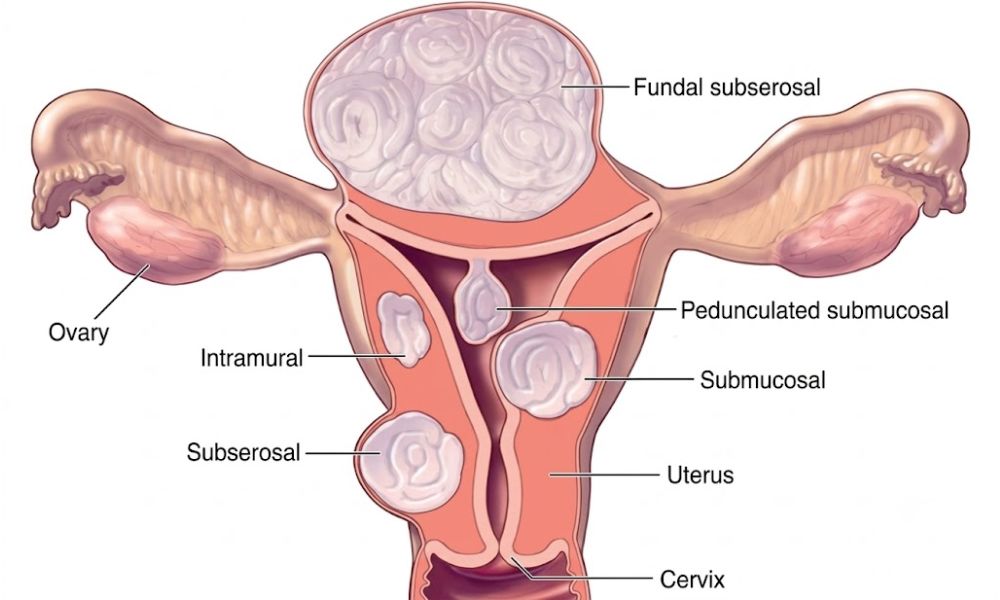
| Heavy periods | Hormonal or uterine causes | Gynecological evaluation |
| Bleeding between periods | Several possible causes | Medical assessment |
| Irregular periods with infertility | Ovulation-related concerns | Fertility evaluation |
| Period changes near menopause | Perimenopause | Individualized gynecological care |
Irregular Periods and Fertility
Irregular periods can sometimes indicate that ovulation is not occurring regularly. This may make it more difficult to predict the fertile window and may reduce the frequency of opportunities for conception.
However, irregular periods do not automatically mean infertility. Identifying the underlying cause can help determine whether treatment is needed and what options may be appropriate.
Personalized Care at Vatsalyam Clinic
Irregular periods can have many different causes, so treatment should be based on an individual’s symptoms, medical history, reproductive goals, and test results.
At Vatsalyam Clinic, Dr. Archana Bharti provides personalized gynecological and fertility care to help women understand the possible reasons behind their menstrual irregularities and explore appropriate treatment options.
If your periods have become irregular or you are experiencing menstrual changes along with fertility concerns, a consultation can help identify the possible cause and guide the next steps.
FAQ'S
Not necessarily. Menstrual cycles can naturally vary, but persistent or significant changes may require evaluation to identify a possible underlying cause.
Yes. PCOS can affect ovulation and is a common cause of irregular or infrequent periods.
Irregular periods may sometimes indicate irregular ovulation, which can make conception more difficult. However, the impact depends on the underlying cause.
Significant stress can affect hormonal regulation and may contribute to changes in menstrual cycles in some women.
Depending on your symptoms, a doctor may recommend a pregnancy test, blood tests, hormone evaluation, thyroid testing, or pelvic ultrasound.
Treatment depends on the cause. Management may include lifestyle changes, medicines, treatment of an underlying condition, or fertility treatment when pregnancy is desired.
If your periods are repeatedly unpredictable, absent for an extended period, unusually heavy, or associated with fertility concerns or other symptoms, a gynecological consultation can help determine the appropriate evaluation.